Health and wellness trends come and go, but few concepts are as transformative – or as grounded in science – as heart rate variability (HRV) and the vagus nerve. These terms might sound complex, but they’re really just keys to understanding how well your body handles stress, recovers from challenges, and finds balance. Best of all, improving them is easier than you might think.
What is HRV and why does it matter?
Heart Rate Variability (HRV) refers to the time between your heartbeats. While it may sound counterintuitive, a higher HRV is actually a sign of good health and resilience. Think of it as your body’s ability to shift gears smoothly – from relaxation to focus or stress response – and back again.
A high HRV is associated with:
- Better stress management
- Faster recovery from physical exertion
- Improved emotional regulation
- Lower risk of chronic diseases
On the other hand, low HRV can indicate that your body is struggling to adapt to life’s demands, whether due to stress, illness, or overtraining.
The mighty vagus nerve
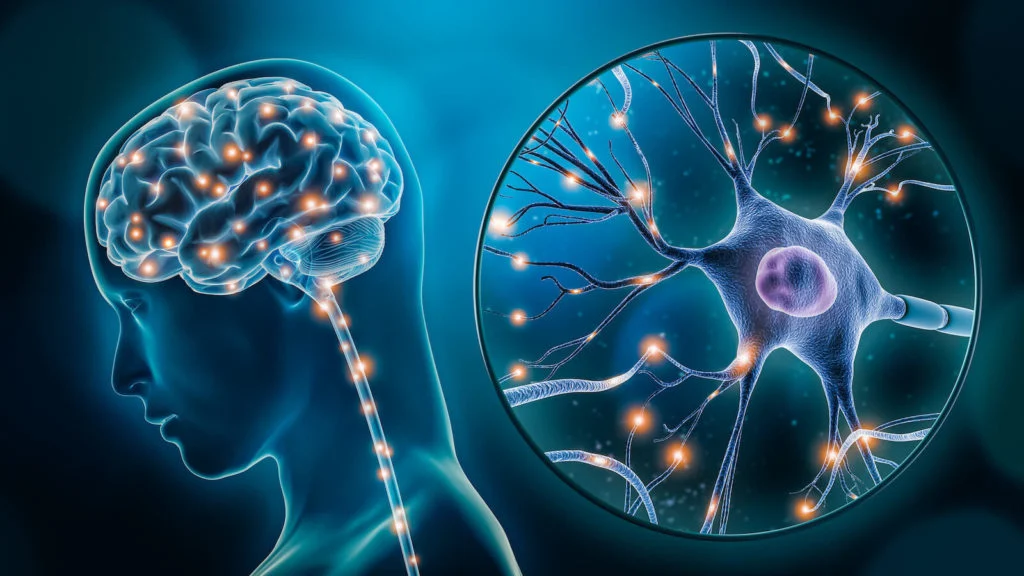
Enter the vagus nerve, a key player in your parasympathetic nervous system – the part that helps you rest, digest, and recover. This wandering nerve (its name comes from the Latin word for “wandering”) connects your brain to major organs like your heart, lungs, and gut.
When your vagus nerve is toned and healthy, it sends calming signals to your body, helping lower your heart rate and blood pressure. It’s essentially your body’s built-in chill button.
Simple ways to improve HRV and vagal tone
The good news? You don’t need complicated biohacks to boost your HRV and strengthen your vagus nerve. Here are straightforward, research-backed practices to try:
1. Breathwork and deep breathing
Slow, diaphragmatic breathing activates the vagus nerve and increases HRV.
- Try inhaling for 4 seconds, holding for 4, and exhaling for 8.
- Aim for five minutes a day to see measurable improvements.
2. Cold exposure
Cold showers or even splashing your face with cold water stimulates the vagus nerve.
- Start with 15-30 seconds of cold water at the end of your shower and gradually build up.
3. Mindful movement: Yoga and Tai Chi
These practices not only strengthen your body but also promote vagal tone through slow, intentional movement and breath control.
- Even 10 minutes a day can make a difference.
4. Laughter and social connection
Yes, laughter really is good medicine—it directly stimulates the vagus nerve.
- Spend time with people who make you laugh and feel connected.
5. Humming and singing
The vibrations from humming, singing, or chanting activate the vagus nerve.
- Try humming along to your favourite songs or chanting simple sounds like “Om.”
6. Meditation and mindfulness
Mindfulness practices help regulate your nervous system and improve HRV.
- Focus on present-moment awareness through guided meditation apps or simple breathing exercises.
7. Gratitude journaling
Cultivating gratitude has been linked to increased HRV and emotional resilience.
- Write down three things you’re grateful for each day.
What to watch for
As you adopt these practices, it’s helpful to track your HRV using wearable devices like smartwatches or dedicated HRV monitors. Keep in mind that HRV naturally fluctuates, so don’t get too fixated on daily numbers but look for trends over time.
The takeaway
Tuning into your HRV and strengthening your vagus nerve isn’t just about managing stress. It’s about building a more resilient, adaptable, and joyful body and mind. Small, simple changes can unlock profound benefits, helping you feel more balanced, energised, and in control of your well-being.
So why not start today? Take a deep breath, laugh a little, and embrace the heart of wellness.
If you’d like to learn more about stress awareness, mindfulness and meditation, breathwork or yoga, you can take a look at our great online courses here.
-

Life Coaching Diploma
£399.00 Course details -
Meditation & Mindfulness
£49.99 Course details -
Online mentoring
£125.00 Course details -
First Aid Training
£49.00 Course details -

The Power of NLP
£49.99 Course details -
The Mindfulness Bundle
£160.00 Course details -

Emotional Freedom Technique
£49.99 Course details -

Mental Health Awareness
£29.99 Course details -

Breathwork Practitioner
£89.00 Course details -

Rewire your brain for success
£49.99 Course details -
The Complete Yoga Bundle
£499.00 Course details -
Paediatric First Aid
£24.99 Course details -
Breathwork Journey
£89.00 Course details -

Clean Language
£49.99 Course details -
Yoga Teacher Training
£399.00 Course details -

Marketing for Therapists
£29.99 Course details -
Yoga Nidra Practitioner
£69.99 Course details -
12 Week Online Yoga Course
£59.99 Course details -
Hypnotherapy Scriptwriting
£89.99 Course details -

Online coaching
£149.00 Course details -
Yoga Nidra Journey
£69.99 Course details -
Hypnotherapy Practitioner Diploma
£249.00 Course details -
The Adult Learner’s Toolkit: Build Study Skills & Self-Belief
£19.99 Course details -

Conversational Hypnosis
£59.00 Course details -
Starting your own Business
£49.99 Course details -
Stress Awareness
£29.99 Course details -
Level 3 Award in Education & Training
£399.00 Course details -
Life Coach & Hypnotherapy Bundle
£649 Select options This product has multiple variants. The options may be chosen on the product page